How to Prepare Your HVAC System for Winter Storms and Freezes
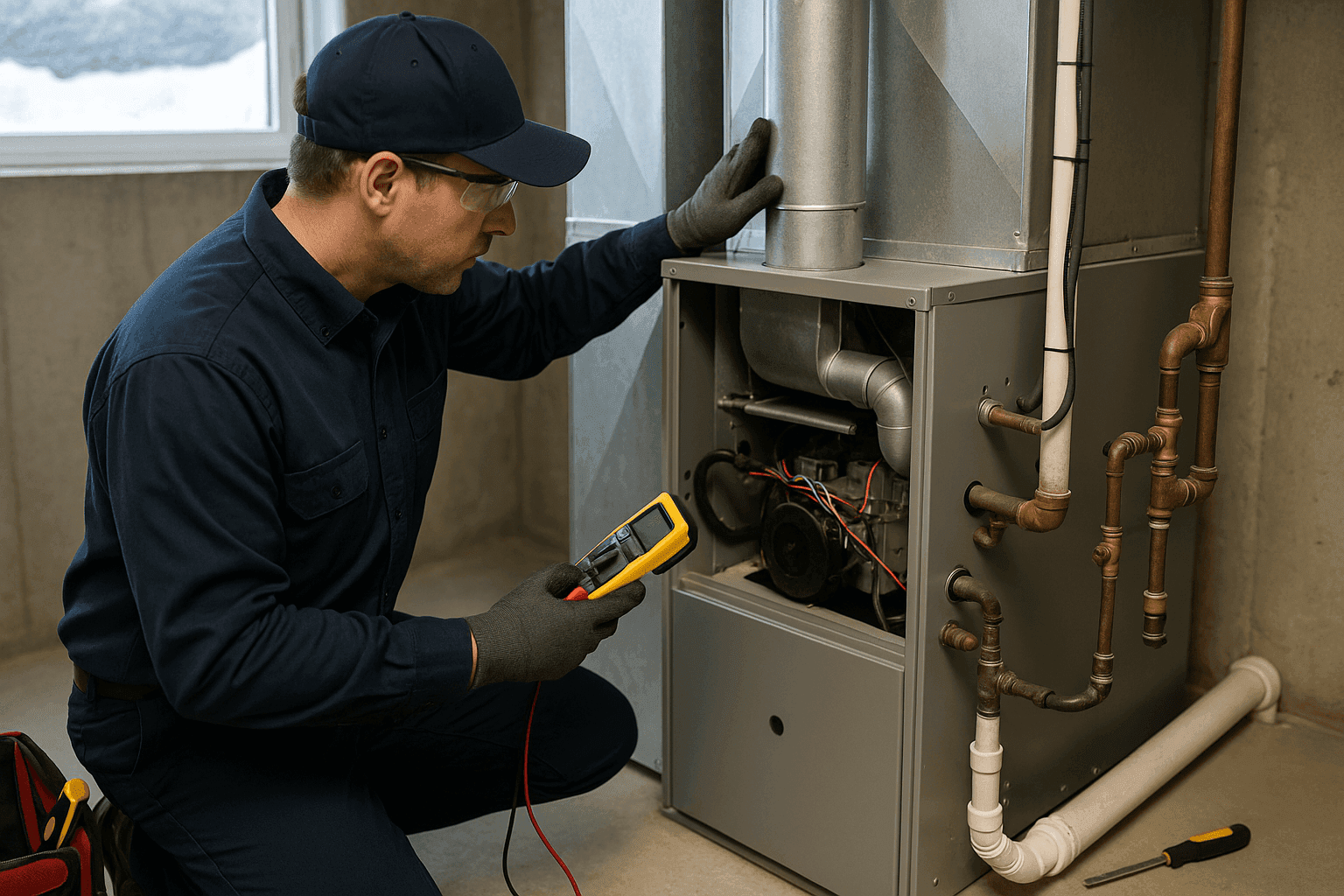
When winter storms roll in, your home or business quickly goes from cozy to cold if your HVAC system isn’t up to the challenge. The last thing anyone wants is to face a freezing night with no heat—or expensive repairs that could have been prevented.
At Gaffigan HVAC, we help people keep their systems running strong, even when the weather turns harsh. Here’s how you can prepare your HVAC for winter storms and freezes, so you stay warm, safe, and stress-free.
Why Winter Preparation Matters ❄️
Think of your HVAC system as the heart of your building during winter. If it skips a beat, everything else feels off. Winter storms and deep freezes can push your system to its limits. Here’s why preparation is vital:
- Frozen Pipes: When temperatures plummet, water in pipes can freeze and expand, causing cracks or bursts. This can lead to water damage and loss of heating.
- System Strain: Your furnace or heat pump works overtime during cold snaps. If it’s not maintained, it’s more likely to break down when you need it most.
- Breakdowns: Emergency HVAC calls spike during storms. Parts wear out faster, and minor issues can become major headaches overnight.
- Safety Risks: Faulty heating can mean more than discomfort—it can lead to carbon monoxide leaks or fire hazards.
The U.S. Department of Energy and the Air Conditioning Contractors of America both stress the importance of seasonal HVAC maintenance for safety and efficiency.
Pre-Winter HVAC Maintenance Checklist
Before the first frost, give your system a fighting chance. Here’s what you should do:
- Replace Air Filters: Dirty filters block airflow and make your furnace work harder. Swap them out every 1–3 months.
- Check Thermostat Settings: Make sure your thermostat is set to “heat” and calibrate it for accuracy. Programmable thermostats can help save energy.
- Inspect Ductwork: Look for gaps, leaks, or blockages. Leaky ducts waste heat and money.
- Furnace Tune-Up: Schedule a professional inspection. Technicians check burners, heat exchangers, and safety controls.
- Clear Vents and Registers: Move furniture, rugs, or drapes away from vents to allow proper airflow.
- Test Carbon Monoxide Detectors: Replace batteries and test alarms.
- Seal Drafts: Use weatherstripping or caulk to seal gaps around doors and windows.
A little attention now can prevent a world of trouble later.
Emergency Preparedness Tips
Winter storms don’t wait for business hours—neither should your HVAC plan.
- Know Your Shut-Offs: Locate your furnace switch, gas valve, and circuit breaker.
- Backup Power: If you rely on electric heat, consider a standby generator. Gaffigan HVAC installs and maintains generators for peace of mind.
- Emergency Kit: Keep blankets, flashlights, and batteries handy. If the heat goes out, layer up and close off unused rooms.
- Stay Alert: If you smell gas or suspect a carbon monoxide leak, leave immediately and call emergency services.
- When to Call 24-Hour Service: If your system stops working, pipes freeze, or you hear strange noises, don’t wait. Call Gaffigan HVAC’s emergency team—fast action can prevent bigger problems.
Energy Efficiency During Winter
Keeping warm shouldn’t mean sky-high bills. Smart steps can help:
- Insulation: Good attic and wall insulation keeps heat in and cold out.
- Programmable Thermostats: Set lower temperatures when you’re away or asleep. According to ENERGY STAR, this can save up to 10% on heating costs.
- Air Balancing: Make sure all rooms heat evenly. Uneven temps can signal duct or airflow problems.
- Regular Maintenance: Well-maintained systems use less energy and last longer.
Every degree counts when it comes to comfort and savings.
Technician Training & Customer Confidence
Our technicians are certified by organizations like NATE (North American Technician Excellence) and follow code requirements from the National Fire Protection Association (NFPA) and Occupational Safety and Health Administration (OSHA). Customers trust us because we show up fast, explain the problem in plain language, and get the job done right—even in the worst winter weather.
Here’s what one homeowner shared after a winter emergency:
"Our furnace quit during a blizzard. Gaffigan HVAC arrived within an hour, fixed the issue, and made sure our family stayed warm. Truly reliable service."
Practical Prevention Tips
- Schedule Maintenance Early: Don’t wait until the first cold snap—technicians get booked quickly.
- Keep Outdoor Units Clear: Remove snow, ice, and debris from heat pumps and vents.
- Check Attic and Crawl Spaces: Insulate pipes and ducts in unheated areas.
- Review Manufacturer Guidelines: Follow recommendations for your specific system.
How to Handle Sudden Heating Failures
If your system stops working:
- Check the Thermostat: Make sure it’s set correctly and has working batteries.
- Look at the Circuit Breaker: Reset if tripped, but don’t force it.
- Inspect the Furnace Switch: Sometimes it gets bumped off accidentally.
- Call for Emergency HVAC Help: If these steps don’t work, don’t try to fix gas or electrical issues yourself.
Avoiding Common Winter HVAC Problems
- Frozen Condensate Lines: Pour warm (not boiling) water to thaw, or call a pro.
- Short Cycling: If your furnace turns on and off quickly, it may be overheating or have a blocked filter.
- Strange Noises: Banging, rattling, or squealing often means something’s wrong—don’t ignore it.
Frequently Asked Questions
How often should I replace my furnace filter in winter?
Most filters need replacing every 1–3 months, but check monthly if you have pets or allergies.
Can I run my furnace during a power outage?
Most furnaces need electricity for the blower and controls, even if they use gas or oil. Consider a generator for backup.
What should I do if my pipes freeze?
Turn off the main water supply, open faucets to relieve pressure, and call a professional immediately.
Is it safe to use space heaters if my furnace fails?
Use only UL-listed heaters, keep them away from flammable materials, and never leave them unattended.
Special Considerations for Winter HVAC Care
- Geothermal and Mini-Splits: These systems need special attention in freezing weather. Make sure units are clear of snow and ice, and schedule maintenance with a technician trained in these technologies.
- Indoor Air Quality: Winter means closed windows and less fresh air. Use air scrubbers, humidifiers, and regular duct cleaning to keep air healthy.
- Radiant Heating: Inspect for leaks or uneven heating before winter hits.
- Home Energy Audits: A professional audit can identify hidden issues that drive up costs and strain your system.
Stay Warm, Stay Safe
Winter storms test even the best HVAC systems. A little preparation goes a long way. If you’re facing a heating emergency—or just want peace of mind—help is always one call away.
Call Gaffigan HVAC now — or reach us anytime at 877-730-3878 .