Emergency HVAC Guide: What to Do Before Help Arrives
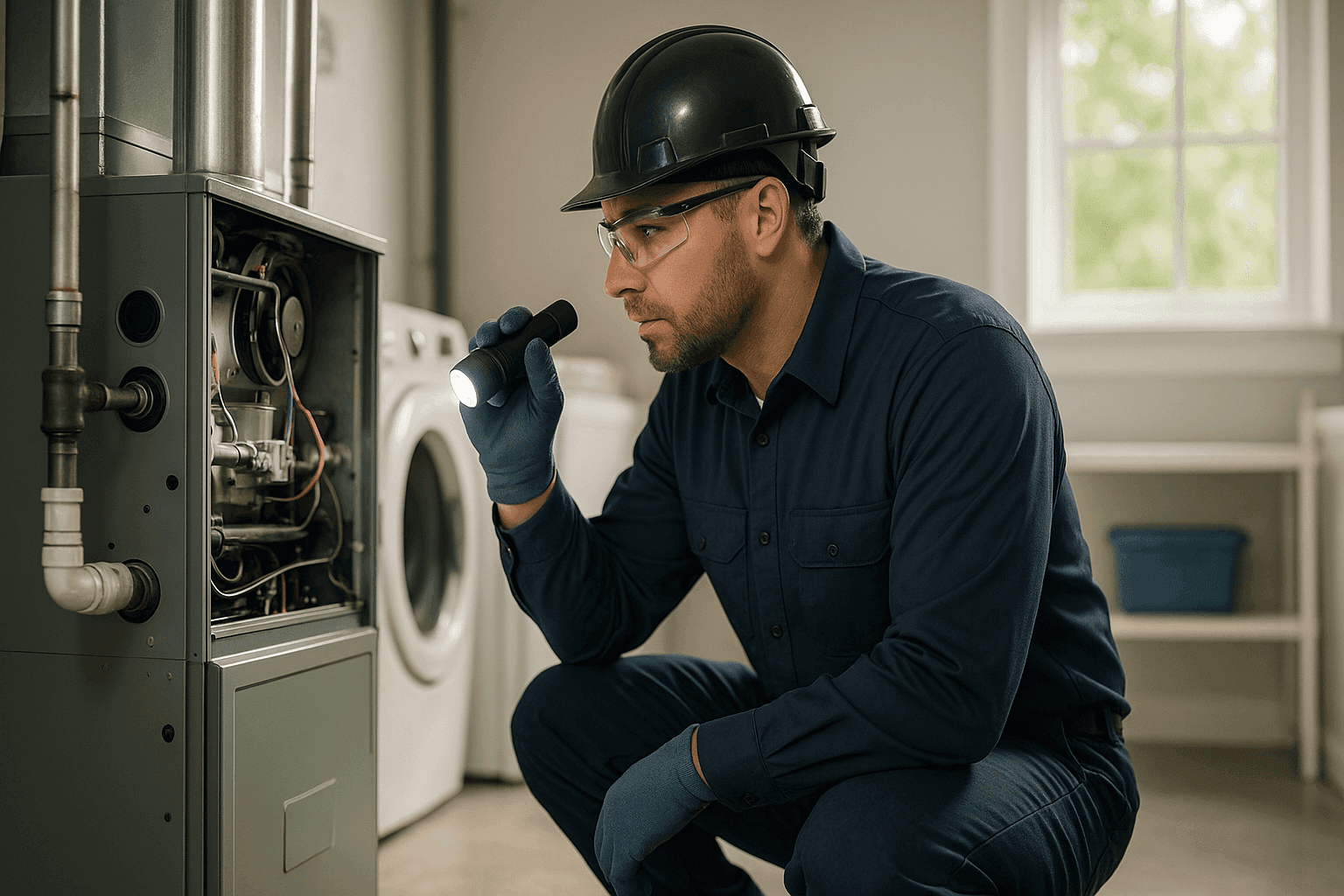
When your HVAC system fails in the middle of the night or during a brutal storm, panic can set in fast. The house gets cold—or swelters—quickly. Pipes threaten to freeze. Tempers rise. You need answers, and you need them now.
At Gaffigan HVAC, we know the stress that comes with sudden system trouble. That’s why we’ve put together this emergency HVAC guide—so you’ll know exactly what steps to take before help arrives. Breathe easy. We’ll walk you through it.
Common HVAC Emergencies
Some HVAC problems feel like a minor inconvenience. Others are downright urgent. Here’s what might send you reaching for the phone at 2 AM:
- Power Loss: The whole system goes dead. No heat, no cool, no air at all. This can be especially dangerous during a freeze or heatwave.
- Gas Odors: If you smell rotten eggs, you might have a gas leak. This is an urgent safety hazard.
- Water Leaks: Pools of water gathering around your furnace or air handler can mean a clogged drain line, frozen coil, or worse.
- System Failure: The unit is running but producing no heat or cool air. Or it makes loud banging, screeching, or rattling sounds.
- Electrical Burning Smell: Acrid or metallic odors can signal overheating components or wiring issues.
- No Airflow: You hear the system running, but nothing’s coming out of the vents.
These emergencies can threaten your safety and property. Fast action is key.
Immediate Safety Steps 🛑
Before you do anything else, protect yourself, your family, and your home. Think of these steps like buckling your seatbelt before driving:
- Turn Off Power: If you see smoke, sparks, or smell burning, shut off the HVAC breaker at your main panel.
- Evacuate for Gas Odor: If you smell gas, don’t touch electrical switches or phones inside. Leave at once and call your gas provider or 911.
- Mop Up Leaks: Use towels to soak up water around HVAC units to reduce water damage.
- Avoid DIY Repairs: Don’t try to fix electrical or gas problems yourself. It’s like trying to fix your own brakes in traffic—dangerous.
- Protect Valuables: Move electronics, furniture, or valuables away from water leaks or affected areas.
- Check Carbon Monoxide Alarms: Make sure alarms are working, especially if you have gas appliances. If the alarm sounds, evacuate immediately.
Stay calm. Your safety comes first.
Simple Diagnostic Tips for Homeowners
You don’t need to be a technician to check a few basics—safely:
- Thermostat Check: Is it set to “heat” or “cool” as needed? Are batteries fresh?
- Breaker Box: Flip the breaker off and on for your HVAC system. Sometimes, a power surge trips it.
- Air Filter: A clogged filter can choke your system. If it’s dirty, replace it.
- Vents and Registers: Make sure they’re open and unblocked.
- Outdoor Unit: Look for visible obstructions—snow, ice, or debris can stop airflow.
If these checks don’t solve the problem, call for emergency HVAC help.
When to Call for Emergency Service
It’s not always easy to know if your issue is a real emergency. Here’s when you shouldn’t wait:
- No Heat During Freeze: Risk of frozen pipes or health concerns.
- Gas Odors: Always treat as urgent.
- Electrical Burning Smell or Smoke: Could mean fire risk.
- Major Water Leaks: Threatens floors, ceilings, and wiring.
- No Cooling During Extreme Heat: Especially for infants, elderly, or medical conditions.
- Repeated Breaker Trips: Signals a deeper electrical problem.
When you call, be ready to share:
- The main problem (no heat, strange smell, leaks, etc.).
- What you’ve already checked (filter, thermostat, breaker).
- Any noises, smells, or visible damage.
- How long the problem has been going on.
Clear details help emergency HVAC techs diagnose faster and come prepared.
What to Expect from 24/7 Technicians
You called for help—now what? Here’s how it usually goes:
- Rapid Response: Most emergency calls get a quick callback. Techs arrive as fast as possible, day or night.
- Safety First: Licensed and insured technicians from Gaffigan HVAC will assess any immediate dangers before starting work.
- Thorough Inspection: They’ll check power, gas connections, filters, thermostats, and system components.
- Temporary Fixes if Needed: If a full repair isn’t possible right away (like if a part needs to be ordered), techs will stabilize things so your family and business stay safe.
- Clear Communication: You’ll get a plain explanation of what’s wrong, what needs fixing, and what the next steps will be.
We follow current codes and safety guidelines set by the National Fire Protection Association (NFPA) and the Air Conditioning Contractors of America (ACCA).
Avoiding DIY Dangers
Fixing a flickering pilot light or swapping a filter is one thing. But bigger issues? Leave them to the pros. HVAC systems are like the heart and lungs of your building—messing with them can create more problems, or even cause injury.
DIY electrical or gas work risks fire, leaks, or even carbon monoxide poisoning. Always call for emergency HVAC help if you’re unsure.
How to Protect Your Home Until Help Arrives
- Bundle Up or Cool Down: Use blankets, fans, or battery-powered heaters—never use ovens or grills for heat indoors.
- Shut Doors: Close off unused rooms to keep warm or cool air where you need it most.
- Open Faucets Slightly (In Winter): For no-heat emergencies, a slow drip can help prevent frozen pipes.
- Move Pets and Vulnerable Family: Infants, elderly, or those with health issues may need to relocate temporarily.
- Document the Scene: Take photos of leaks or damage for insurance records.
When Is It an Emergency? ❄️
Not every HVAC glitch is a hair-on-fire situation. But some scenarios call for immediate help:
- You Smell Gas or Burning: Don’t wait. Leave and call for help.
- System Failure in Severe Weather: If temperatures are dangerous, call now.
- Flooding or Major Leaks: Water and electricity don’t mix.
- No Power to Critical Systems: If your generator or main HVAC won’t power up during a storm, that’s urgent.
If you’re ever in doubt, it’s safer to call. You can always ask the dispatcher if your issue qualifies as an emergency.
What Gaffigan HVAC Technicians Bring
- Licensed, Insured, and Background-Checked: Your peace of mind matters.
- 24/7 Availability: Nights, weekends, holidays—we’re there.
- Experience with All Systems: From Whole-House Fans to Mini-Splits, commercial rooftop units to home dehumidifiers.
- Latest Tools and Training: We keep up to date with the latest ACCA and EPA guidelines.
- Respect for Your Home or Business: We wear protective gear and clean up after every call.
Seasonal Scenarios: Storms, Freezes, and Heatwaves
Emergency HVAC calls spike when the weather turns wild.
- Winter Freezes: Frozen coils, burst pipes, or no-heat emergencies. Keep your furnace filter clean and check attic/basement insulation before storms hit.
- Storm Outages: Lightning or wind can trip breakers or knock out power. If you have a generator, make sure it’s serviced before bad weather.
- Summer Heatwaves: Overworked ACs fail most often on the hottest days. Keep condenser coils clear and shade outdoor units where possible.
Stay prepared. Preventive maintenance before each season can make a world of difference.
Frequently Asked Questions
Q: Is it safe to reset my HVAC breaker if the system stops working?
A: Yes, as long as there’s no burning smell or visible damage. If the breaker trips again, call for emergency HVAC service.
Q: Can I use space heaters if my furnace fails?
A: Only use electric space heaters with tip-over protection. Never use a gas stove, oven, or outdoor grill indoors—these can cause deadly carbon monoxide buildup.
Q: How soon will a technician arrive?
A: Emergency calls get priority. Arrival time depends on current demand and weather, but you’ll get an estimated window when you call.
Q: What should I do if my AC leaks water?
A: Shut off the system at the thermostat, mop up water, and call for service. A clogged drain line or frozen coil is a common cause.
Practical Tips for Every Home and Business
- Keep Filters Fresh: Check or change monthly, especially during heavy use.
- Know Where Your Main Breaker Is: A few minutes spent now can save you in a pinch.
- Schedule Routine Maintenance: Regular checks can catch small issues before they become emergencies.
- Store Emergency Numbers: Save Gaffigan HVAC’s number to your phone.
- Educate Your Family or Staff: Show everyone how to shut off breakers and recognize warning signs.
The Bottom Line
When HVAC trouble strikes, you don’t have to face it alone. Know the basics, act quickly, and call in the pros. Gaffigan HVAC is ready 24/7 to help homes and businesses recover from any emergency—no matter the hour, no matter the weather.
Call Gaffigan HVAC now — or reach us anytime at 877-730-3878 .