How to Improve Indoor Air Quality: Filters, Air Scrubbers & More
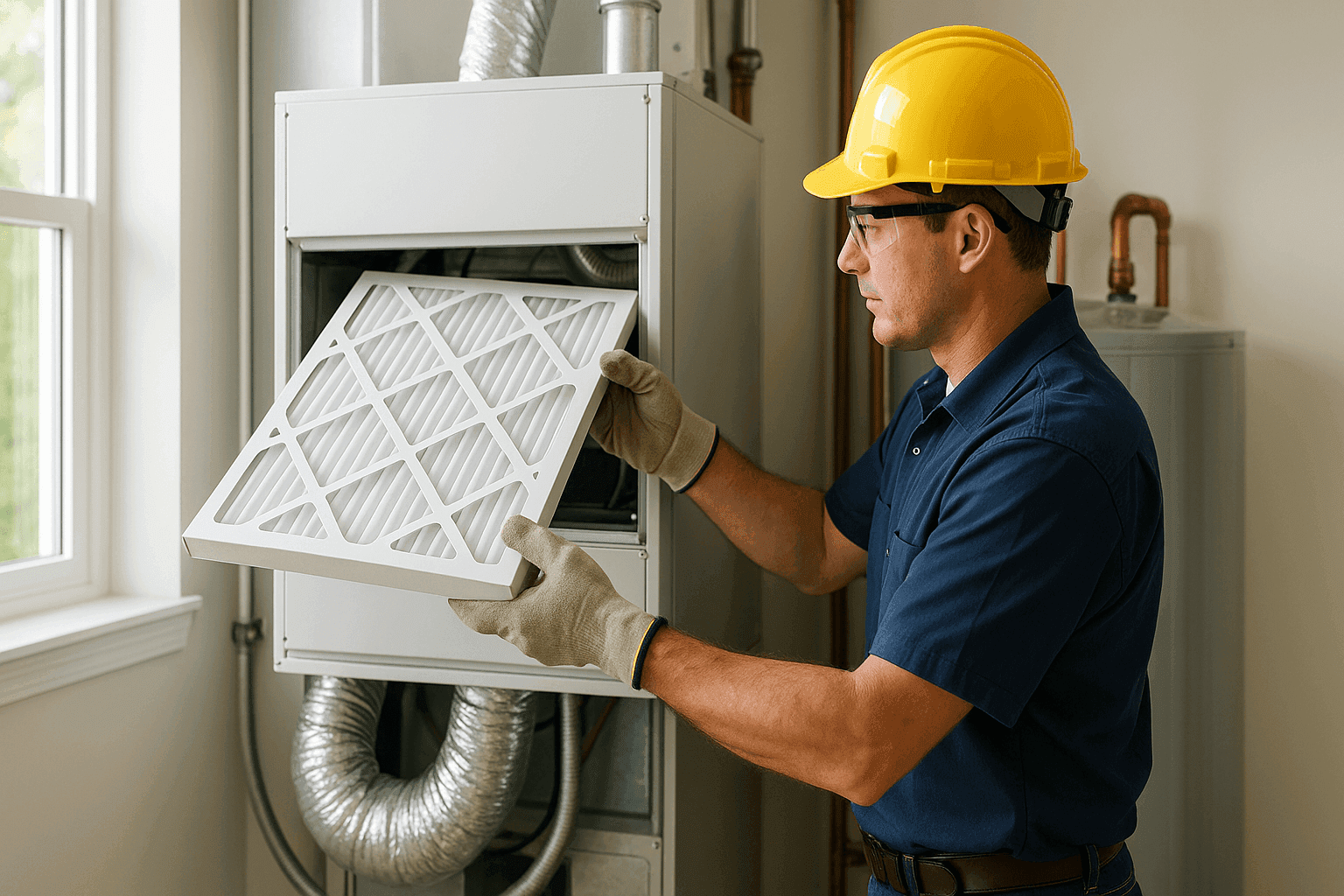
Breathing easy at home or at work shouldn’t be a luxury. Every day, invisible particles drift through the air you and your family—or your employees and customers—inhale. These tiny stowaways can impact comfort, health, and even productivity. At Gaffigan HVAC, we understand that the air you breathe is as important as the walls around you. When it comes to emergency hvac or routine maintenance, your indoor air quality (IAQ) is always at the heart of what we do.
If you’ve ever wondered why allergies flare up indoors, why your office feels stuffy, or why your energy bill keeps rising, you’re not alone. Let’s break down how IAQ really works, what pollutes it, and how the right solutions—from high-efficiency filters to air scrubbers—can make a world of difference.
Why Indoor Air Quality Matters 🏠
Imagine your indoor air as an invisible river—constantly flowing, picking up bits and pieces from everything it touches. The quality of that river affects how you feel, think, and function.
Health: Poor IAQ is linked with headaches, fatigue, allergies, asthma, and even long-term respiratory conditions. According to the EPA and CDC, many Americans spend up to 90% of their time indoors, making clean air more critical than ever.
Productivity: Studies show that workers in buildings with better air quality report fewer sick days and higher focus. At home, kids and adults alike sleep and concentrate better in clean-air environments.
Comfort: Ever notice a musty smell or heavy air indoors? High humidity, dust, or lingering odors can make a space feel stifling, no matter how nice it looks. Good IAQ keeps your space truly livable.
Common Pollutants & Their Sources
It’s not just about dust bunnies under the couch. Here are the usual suspects when it comes to indoor air pollution:
- Dust & Dander: From pets, people, and even furniture.
- Pollen: Enters through open doors and windows, especially in spring.
- Mold Spores: Thrive in damp bathrooms, basements, or around leaky pipes.
- VOCS (Volatile Organic Compounds): Emitted by cleaning products, paints, new furniture, and office equipment.
- Combustion Byproducts: From stoves, fireplaces, and unvented space heaters.
- Bacteria & Viruses: Spread by people and pets.
- Outdoor Pollutants: Traffic, wildfire smoke, or pesticides can enter via open windows or HVAC systems.
Think of pollutants like unwanted guests at a dinner party—they sneak in easily, but getting them out takes a plan.
Essential Solutions: Filters, Air Scrubbers & More
Every building is unique, but some IAQ tools shine in almost every scenario. Let’s break them down:
High-Efficiency Filters
What They Do: Capture dust, pollen, dander, and even some bacteria as air circulates through your HVAC system.
Pros:
- Easy to install or upgrade (especially with Whole-House Fans near you)
- Relatively low cost
- Can remove most common allergens
Cons:
- Need regular replacement (every 1–3 months)
- Some systems can’t handle HEPA-level filters without upgrades
- Won’t address gases or ultrafine particles
How to Choose: Check your current HVAC system’s filter rating (MERV 8–13 is typical for homes; higher for medical or commercial spaces). If you have allergies, pets, or live in an area with high outdoor pollution, go for higher MERV ratings—but consult a pro to ensure your system can handle it.
Air Scrubbers
What They Do: Use a combination of filters and technologies (like UV light or ionization) to “scrub” bacteria, viruses, VOCs, and odors from the air.
Pros:
- Tackle odors, germs, and some chemicals
- Work alongside standard filters
- Help reduce spread of illness in busy spaces
Cons:
- Higher upfront cost
- Professional installation required
- Some technologies (like ozone generators) are not recommended by the EPA—always choose certified products
How to Choose: Look for units certified by independent labs, and avoid ozone-producing models unless specifically recommended for your situation. Air scrubbers can be added to residential or commercial ductwork.
Dehumidifiers & Humidifiers
Dehumidifiers: Remove excess moisture—key for basements, laundry rooms, or areas prone to mold.
- Pros: Prevent mold, reduce dust mites, improve comfort in humid climates.
- Cons: Need regular emptying or drain setup; can increase energy use.
- Best for: Homes with musty smells, visible mold, or high summer humidity.
Humidifiers: Add moisture—helpful in winter when heated air becomes bone-dry.
- Pros: Soothe dry skin, reduce static, protect wood furniture.
- Cons: Overuse can cause mold growth; need regular cleaning.
- Best for: Dry climates or winter months, especially for those with sinus issues.
Ventilation Upgrades
Fresh air is a powerful tool. Mechanical ventilation systems, like energy recovery ventilators (ERVs), bring in outdoor air while filtering out pollutants.
- Pros: Dilute indoor contaminants, reduce build-up of CO₂, help remove VOCs.
- Cons: Installation cost, regular maintenance, may require ductwork upgrades.
Tip: Even simple solutions like running bathroom or kitchen exhaust fans can make a difference.
Routine IAQ Testing & Monitoring
You can’t fix what you can’t see. That’s where testing comes in.
Why Test?
- Pinpoint sources of pollution (mold, VOCs, carbon monoxide)
- Meet building code or insurance requirements for commercial spaces
- Track improvements over time
Certified Testing Methods: Professionals use calibrated instruments to measure particulate levels, humidity, CO₂, carbon monoxide, and more. Home test kits exist for basics, but for detailed results—especially in larger or sensitive environments—professional testing is key.
EPA Recommendations: The EPA suggests testing for radon, especially in basements and ground floors. If you’ve had water damage or notice musty smells, mold testing is also wise.
When to Call in a Pro:
- After renovations or water leaks
- If family members or employees develop unexplained symptoms
- For annual audits in schools, healthcare, or hospitality businesses
Preventive Maintenance Tips 🛠️
Many IAQ issues come down to simple neglect. Here’s what you can do:
- Change filters: Mark your calendar every 1–3 months, or set a reminder on your phone.
- Schedule duct cleaning: Especially after remodeling or if you notice dust build-up around vents.
- Inspect ventilation: Check exhaust fans in kitchens and baths. They should vent outdoors, not into attics or crawlspaces.
- Monitor humidity: Aim for 30–50% relative humidity for comfort and mold prevention.
- Check for leaks: Promptly repair leaky roofs, windows, or pipes to prevent mold growth.
- Upgrade thermostats: Smart thermostats can help maintain consistent temperatures and humidity levels.
Pro Tip: Preventive maintenance is like brushing your teeth—skip it, and problems multiply fast.
Pros & Cons: Choosing the Right IAQ Solution
No two buildings—or budgets—are alike. Consider:
- Filters: Affordable, but limited to particles.
- Air scrubbers: Comprehensive, but more costly upfront.
- Humidifiers/Dehumidifiers: Great for comfort, but need maintenance.
- Mechanical ventilation: Excellent long-term, but involves installation.
Ask yourself: What are your main concerns (allergies, odors, mold, energy savings)? Is this a quick fix, or a long-term investment? When in doubt, a home energy audit or professional IAQ test from a certified emergency hvac provider like Gaffigan HVAC can help chart the best course.
When to Seek Professional Testing & Help
DIY kits can catch basic issues, but call in certified pros when:
- You notice persistent symptoms (headaches, coughing, fatigue)
- Mold is visible or suspected behind walls
- You’re planning renovations or purchasing a new property
- There’s a history of water damage, flooding, or fire
Certified testing follows strict protocols—often referencing ASHRAE, EPA, and OSHA guidelines—to ensure results you can act on. For businesses, documented testing and solutions can also help with compliance and liability.
IAQ Action Plan: Year-Round Clean Air
- Assess your space: Walk through your home or business. Check for leaks, musty odors, dust build-up, or uneven temperatures.
- Upgrade filters: Choose the highest MERV rating your system allows.
- Add air scrubbers or purifiers: Especially if you have allergies, pets, or a busy workplace.
- Control humidity: Install dehumidifiers or humidifiers as needed.
- Ventilate: Use exhaust fans, open windows when possible, and consider mechanical upgrades.
- Test regularly: Annual IAQ testing keeps you ahead of sneaky problems.
- Schedule preventive maintenance: Keep your HVAC, fans, and exhausts in top shape.
FAQ: Indoor Air Quality
How often should I change my HVAC filter?
Every 1–3 months for most homes. Businesses or homes with pets/allergies may need more frequent changes.
Can air purifiers replace filters or duct cleaning?
No—purifiers are a supplement, not a substitute. Regular filter changes and duct cleaning are still essential.
Do I need professional IAQ testing, or are DIY kits enough?
DIY kits work for basics, but for complex issues—like mold, VOCs, or commercial compliance—professional testing is much more reliable.
Are there any dangers to using the wrong air cleaning products?
Yes. Some devices (like ozone generators) can create harmful byproducts. Stick to EPA-approved technologies and consult a licensed emergency hvac provider.
Local & Seasonal Considerations 🌦️
- Spring/Summer: Pollen and humidity rise. Consider higher MERV filters and dehumidifiers.
- Fall/Winter: Dry air and increased time indoors mean humidifiers and routine filter changes are key.
- Wildfire season: Smoke can infiltrate even sealed buildings—use HEPA filters and keep windows closed.
- Urban areas: Higher outdoor pollution requires better filtration and regular HVAC maintenance.
- Rural areas: Watch for dust, agricultural chemicals, or wood smoke.
No matter the season, building type, or location, your indoor air deserves attention. Good IAQ isn’t a luxury—it’s a year-round necessity.
Ready to breathe easier? Clean, healthy air is just a call away.
Call Gaffigan HVAC now — or reach us anytime at 877-730-3878 .