How to Extend the Lifespan of Your HVAC System: Expert Maintenance Tips
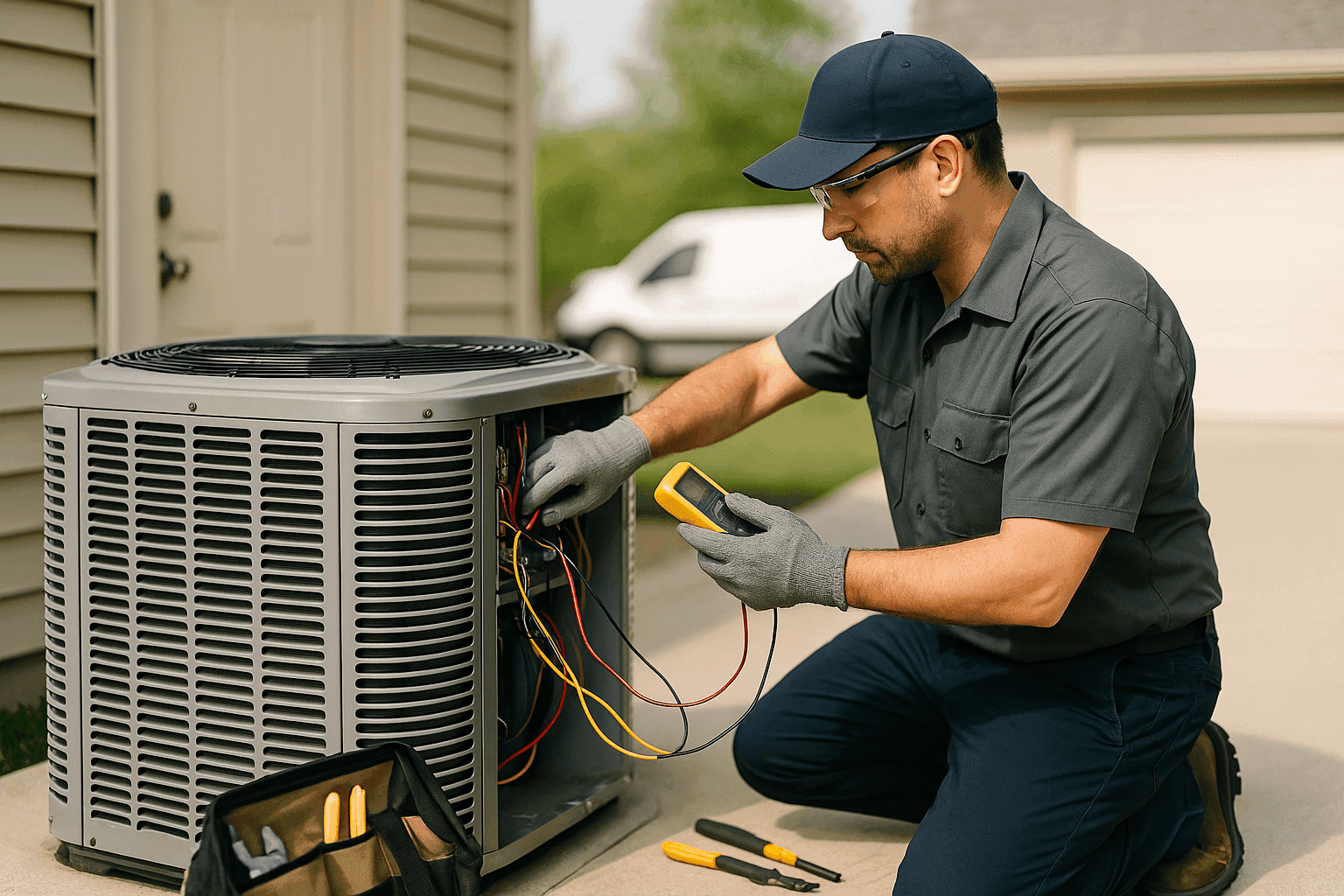
Is your HVAC system working overtime? Most homeowners and small business owners don’t think about their heating and cooling until something goes wrong. Suddenly, the air gets stuffy, the temperature spikes, and comfort disappears.
At Gaffigan HVAC, we know that a well-maintained system can be the difference between a cozy evening and an emergency hvac call at 2 a.m. With decades of hands-on experience, our team has seen firsthand how regular care keeps systems running stronger, longer.
Why Regular HVAC Maintenance Matters 🛠️
Imagine your HVAC system as the heart and lungs of your property. Ignore it, and you risk a breakdown when you need it most. Just like a car needs oil changes, your AC and furnace crave regular attention.
Skipping maintenance leads to:
- Higher energy bills
- More frequent repairs
- Shorter equipment lifespan
- Poor indoor air quality
Industry organizations like the Air Conditioning Contractors of America (ACCA) and the U.S. Department of Energy agree: routine checkups can prevent up to 95% of unexpected breakdowns and extend the life of your system by several years.
Quick Safety Checklist Before You Start
Before you roll up your sleeves or call for help, make safety your top priority:
- Turn off power to your HVAC system at the breaker panel.
- Let moving parts come to a complete stop before touching anything.
- Wear gloves and eye protection, especially when checking filters or ducts.
- If you smell gas or burning, leave the area and call for emergency hvac service immediately.
- Never attempt electrical repairs unless you’re qualified.
DIY Maintenance vs. Calling a Pro
Some HVAC care is as easy as changing a lightbulb. Other tasks? Not so much. Here’s a quick guide:
DIY-friendly:
- Replacing air filters (every 1–3 months)
- Keeping outdoor units clear of debris and plants
- Vacuuming floor registers and vents
- Checking thermostat batteries and settings
Best left to a professional:
- Deep cleaning evaporator and condenser coils
- Duct cleaning and IAQ (indoor air quality) testing
- Refrigerant checks and recharging
- Electrical inspections and tightening connections
- Air balancing and airflow adjustments
- Generator and whole-house fan maintenance
Certified HVAC technicians have specialized tools, safety training, and know-how to spot small issues before they become big problems.
What Pros Do On Arrival
When you book a maintenance visit with Gaffigan HVAC, here’s what our certified team covers:
- Inspect and clean coils, blower components, and drain lines
- Test system controls and safety features
- Lubricate moving parts to reduce friction and wear
- Check refrigerant levels and look for leaks (EPA guidelines apply)
- Tighten electrical connections and inspect wiring
- Calibrate thermostats for accurate temperature control
- Replace or clean air filters and recommend upgrades if needed
- Assess air quality and recommend solutions like air scrubbers or dehumidifiers
We work by the book—following standards from organizations like ASHRAE and manufacturer recommendations.
Prevention & Maintenance: Your Seasonal Checklist
A little effort each season keeps your system humming along.
Spring & Summer (Cooling)
- Change or clean filters before heavy AC use
- Clear leaves, grass, and debris from outdoor units
- Ensure vents and registers are open and unobstructed
- Schedule a professional AC tune-up before the first heatwave
- Test your thermostat for accurate readings
Fall & Winter (Heating)
- Replace filters before turning on the furnace
- Inspect and vacuum around the furnace and vents
- Check for unusual noises or smells on startup
- Schedule a furnace inspection and cleaning before cold weather hits
- Consider upgrading to a programmable thermostat for efficiency
All Year
- Listen for odd sounds—rattling, banging, or whistling
- Watch for uneven heating or cooling in different rooms
- Keep humidity in check with humidifiers or dehumidifiers as needed
- Monitor your energy bills for unexpected spikes
The Importance of Filter Replacement
Think of your HVAC filter as a coffee filter. When it’s clogged, nothing flows right. Dirty filters choke airflow, force your system to work harder, and let dust and allergens circulate through your home or business.
- Replace basic filters every 1–3 months
- Upgrade to HEPA or high-efficiency filters for better air quality
- Mark your calendar or set reminders so you never forget
According to the Environmental Protection Agency (EPA), clean filters can reduce your system’s energy consumption by up to 15%.
Duct Cleaning and Thermostat Calibration
Dusty, leaky ducts are like holes in your wallet—wasting energy and spreading allergens. Professional duct cleaning every few years helps keep air fresh and your system efficient.
A poorly calibrated thermostat can make your HVAC system run too long or not enough. If your space always feels too hot or too cold, ask a pro to check your thermostat’s accuracy.
Signs It’s Time for Professional Service
Don’t wait for a full-blown emergency hvac situation. Call for help if you notice:
- Warm air blowing when you expect cool (or vice versa)
- Weak airflow from vents
- Unusual odors—musty, burning, or chemical smells
- Frequent cycling on and off
- Loud or strange noises from your system
- Water pooling around indoor units or near the furnace
- Unexplained spikes in energy bills
When in doubt, it’s better to be safe. A quick inspection can catch small issues before they snowball into costly repairs.
Preparing for Extreme Weather
Storms, freezes, and heatwaves put extra stress on your HVAC system. Here’s how to prepare:
- Secure outdoor units to prevent wind damage
- Cover AC units in winter (but only with proper covers—never plastic tarps)
- Insulate exposed refrigerant lines and pipes
- Test backup generators and whole-house fans
- Program thermostats for optimal use during extreme temperatures
- Schedule a preventive maintenance check before the season’s peak
The National Fire Protection Association (NFPA) recommends annual generator maintenance to ensure safe, reliable operation during power outages.
Costs & Time Factors
Routine maintenance is an investment that pays off in fewer repairs and longer equipment life. Here’s what to expect:
- Most maintenance visits take 1–2 hours, depending on system size and complexity
- Filter replacements and basic checks are quick DIY tasks
- Professional tune-ups, duct cleaning, or IAQ testing may take longer
- Costs vary by service, but regular maintenance is far less expensive than emergency repairs or early system replacement
Remember: Delaying maintenance can turn a minor fix into a major headache.
When It’s an Emergency
Sometimes, things go sideways—fast. If your system stops working during a heatwave or freeze, that’s when emergency hvac service becomes essential.
- Don’t ignore electrical issues, burning smells, or water leaks
- If you lose heating or cooling in extreme weather, call right away
- Keep emergency contacts handy and know where your system’s shutoff switches are located
Gaffigan HVAC offers 24 hour emergency service, so help is always a call away when you need it most.
FAQ: Common HVAC Maintenance Questions
How often should I schedule professional maintenance?
Most systems benefit from a professional tune-up twice a year—once before cooling season, once before heating season.
Can dirty filters really cause my system to break down?
Absolutely. Clogged filters restrict airflow, cause overheating or freezing, and can even damage motors and compressors.
Is duct cleaning really necessary?
If you notice dust, allergies, or musty odors, professional duct cleaning can improve air quality and efficiency. The National Air Duct Cleaners Association (NADCA) recommends cleaning every 3–5 years or as needed.
What’s the best way to improve indoor air quality?
Start with regular filter changes and professional maintenance. Consider options like air scrubbers, humidifiers, or dehumidifiers for extra protection.
Special Considerations for Your HVAC System
Every property is unique. If you have a geothermal system, radiant heating, or mini-splits, maintenance needs may differ. Sheet metal ductwork, whole-house fans, and generator integration require specialized care. Always consult your system’s manual and schedule professional inspections for complex equipment.
If you’re unsure, Gaffigan HVAC technicians can advise on best practices tailored to your setup, following manufacturer guidelines and current safety codes.
Ready to protect your comfort and your investment? Regular maintenance is the key to a long-lasting, efficient HVAC system.
Call Gaffigan HVAC now — or reach us anytime at 877-730-3878 .